Register free for the Human-AI Collaboration Challenge — July 25–26 at Morgan State University!

A CEAMLS K–12 program · Morgan State University

Every student deserves to understand AI, not just use it.

Free, classroom-tested AI lessons, hands-on student activities, and professional development workshops developed with Baltimore schools and libraries. Every resource is designed to work anywhere, anytime even without devices or internet access.

A mentor guides students assembling computer kits and circuit boards at the K–12 AI Education Showcase at Morgan State University

What's happening now

Real events and releases from the CEAMLS K–12 program.

Register now — free

Human-AI Collaboration Challenge 2026

A two-day build event at Morgan State University. Middle school, high school, and college students team up to build AI-powered solutions for K–12 education. No AI experience required — workshops are held during the event.

Register Free
  • Win up to $2500 cash prize
  • macOS & Windows tracks · Gamified or Instructional design
  • All meals provided, plus tech raffle prizes
  • Finalists join the National CEAMLS Symposium
Registration closes July 25

NSEA 2026 — National Symposium on Effective & Ethical AI

Our companion event, running alongside the Challenge at Morgan State University. CEAMLS brings together researchers, industry leaders, policymakers, educators, and students around this year's theme — “Human-AI Collaboration: Empowerment, Agency, and Belonging” — exploring how AI can augment human capability while preserving human decision-making authority.

Register for NSEA
  • 15+ distinguished speakers and keynote presentations
  • Governance frameworks, workforce impact & real-world case studies
  • Attend in person at Morgan State — or join online
  • A limited number of free registrations, via Google & sponsors
Recap

K–12 AI Education Showcase

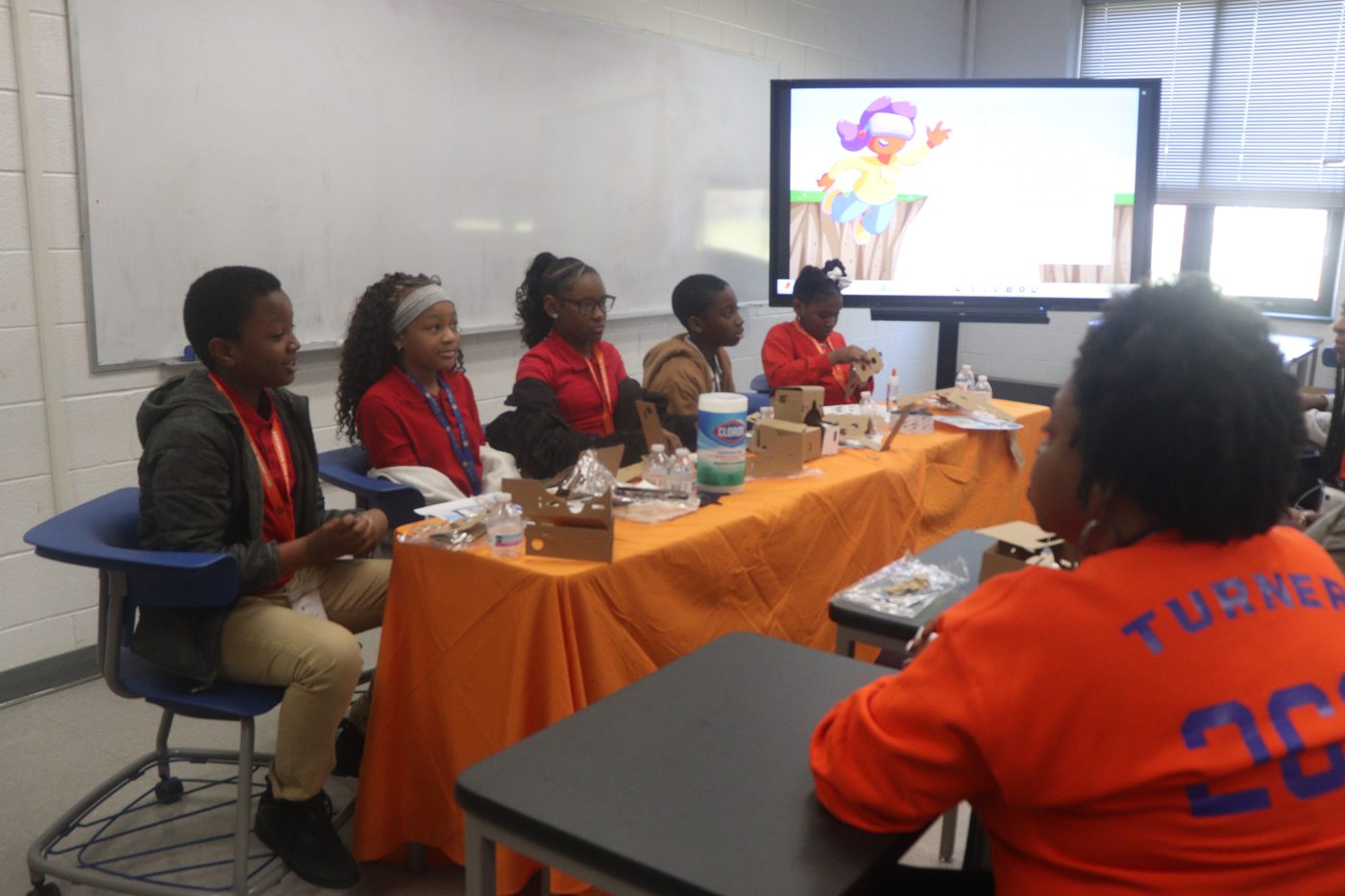
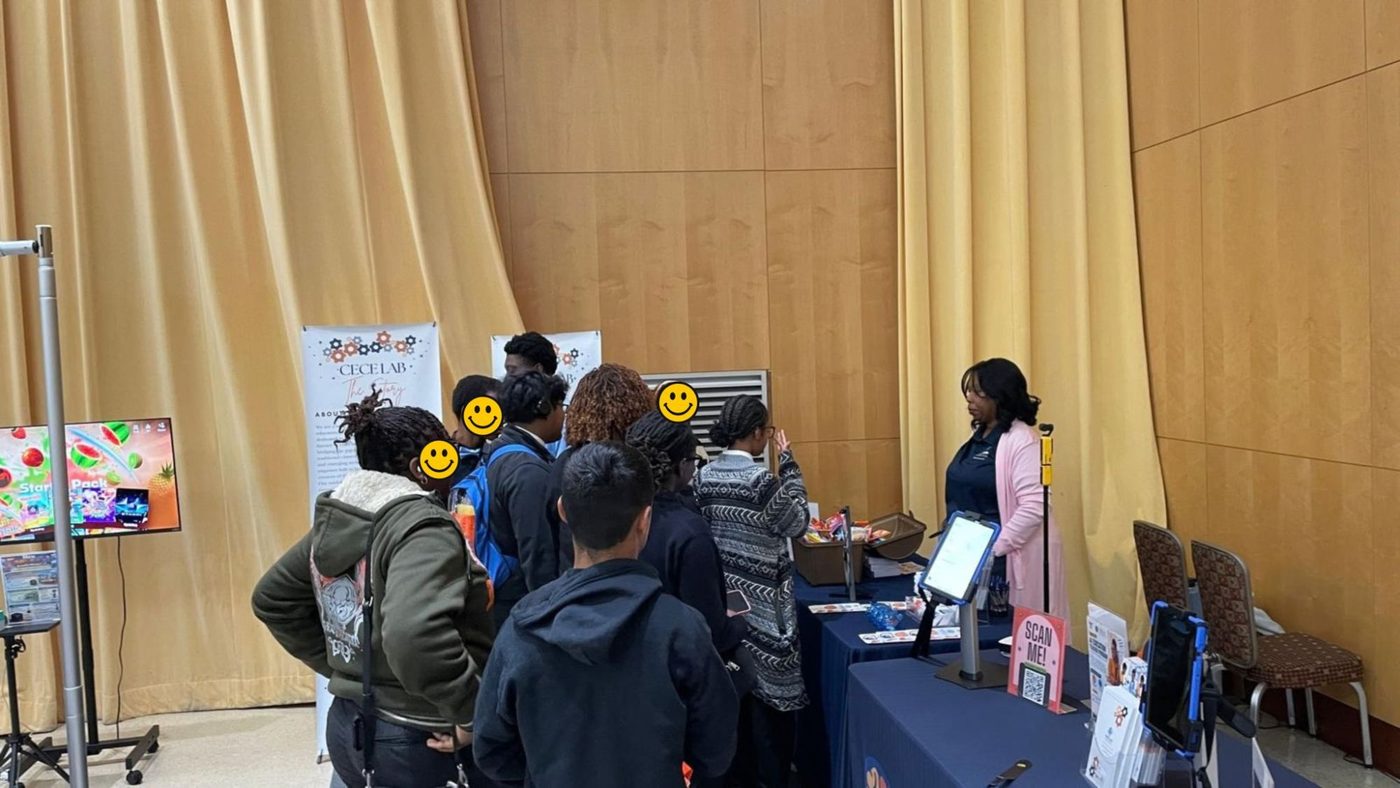
Two days in the Schaefer and Mitchell Engineering Buildings: 120 participants including educators, students, families, and partners explored teacher-designed lessons. Attended VR, machine-learning demos, 3D-printing and Swift Playgrounds workshops.

Students

Summer AI Camp at Morgan State

60 middle school students spent time in the Morgan State campus, building AI projects with robots. Watch this space for next summer's dates.

Teachers

AI & Transportation 2.0 (offline-first curriculum)

Our redesigned curriculum runs with printed materials and a single facilitator. No devices or internet required. Scripted facilitator guides included, free on our open repository.

Get the curriculum →

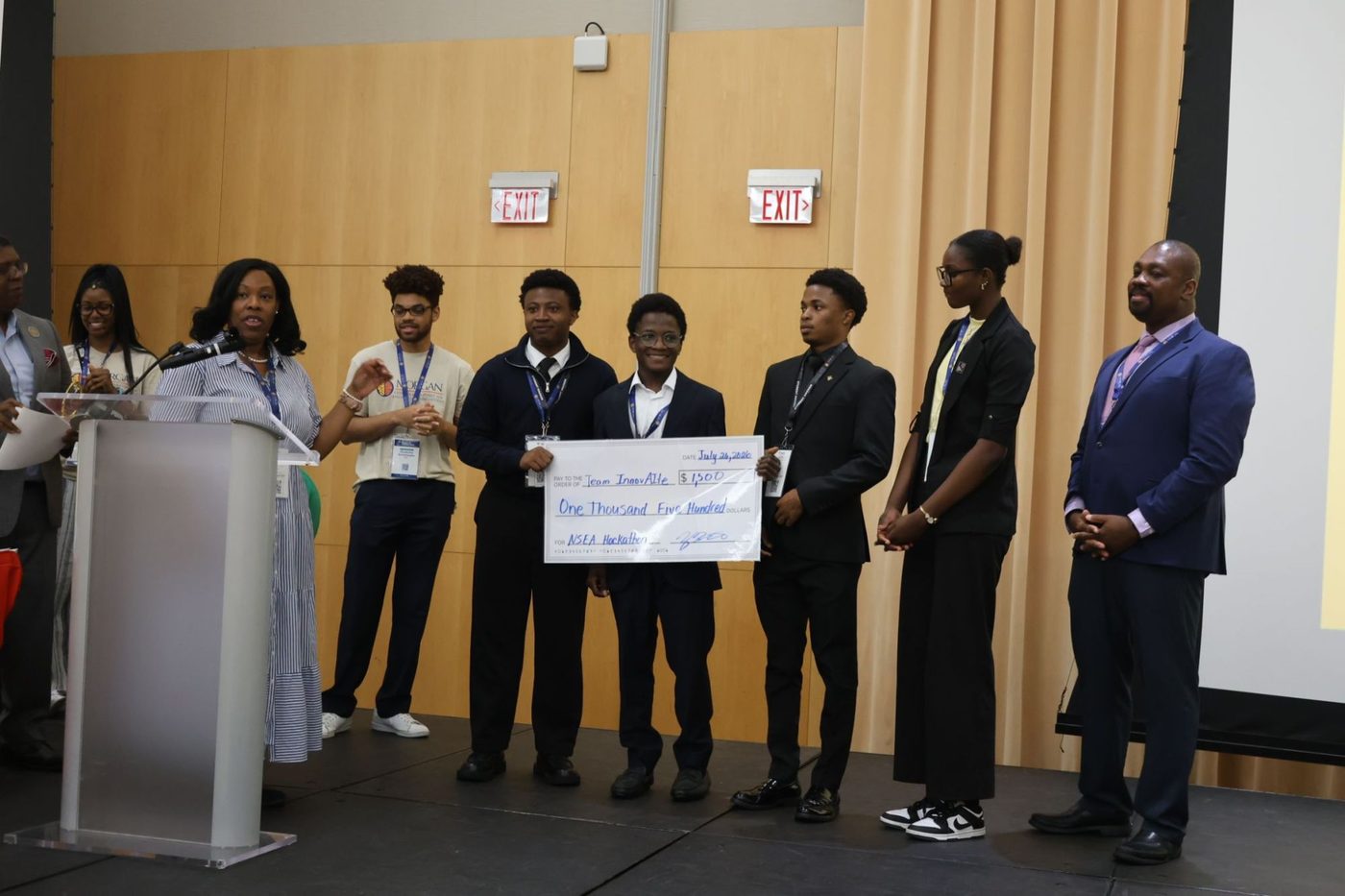
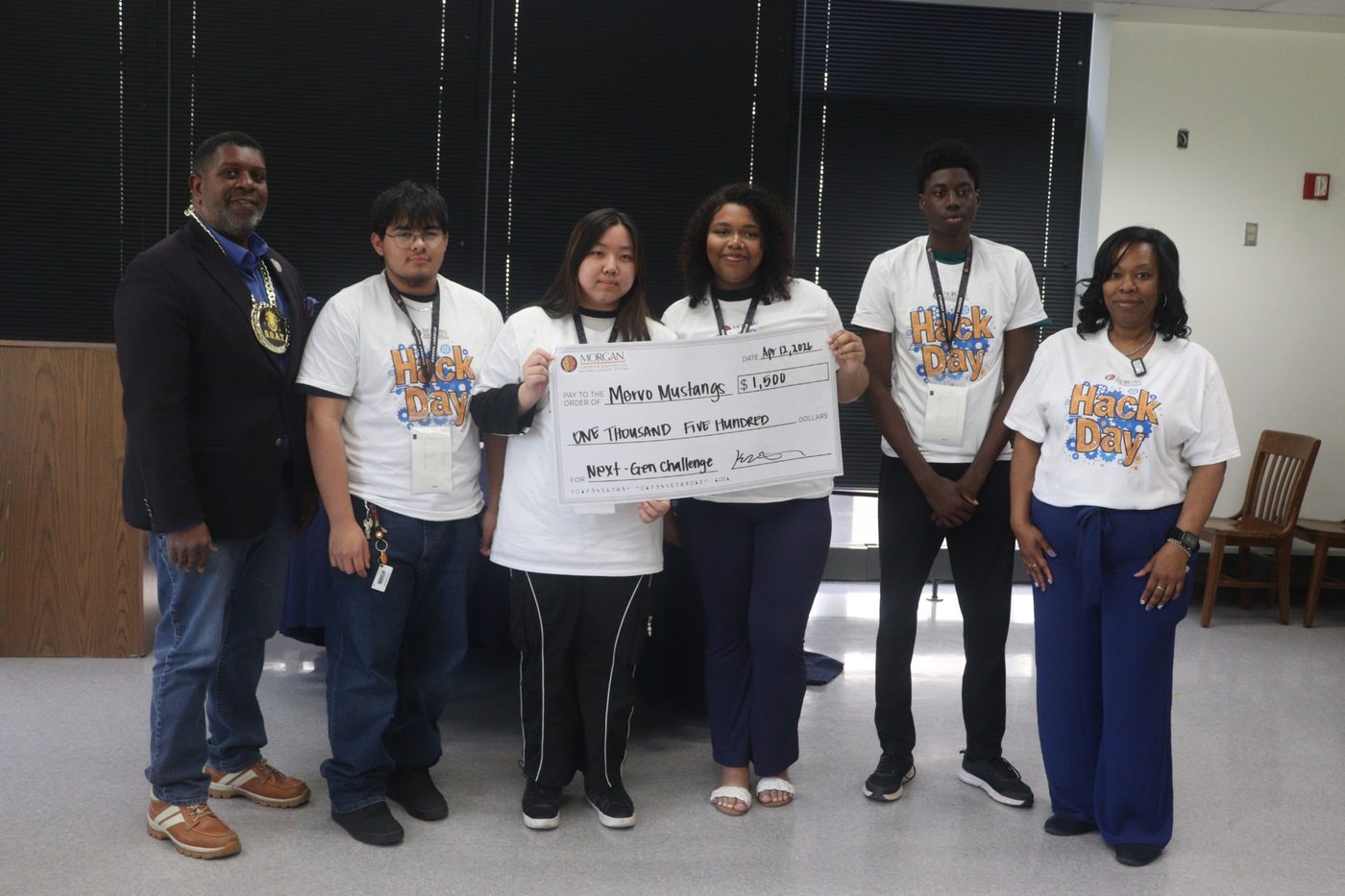
NextGen AI Innovation Challenge winners

At NextGen AI Innovation Challenge, high school and college students built AI-powered tools to make K–12 classrooms more inclusive and engaging. Meet some of our winning teams.

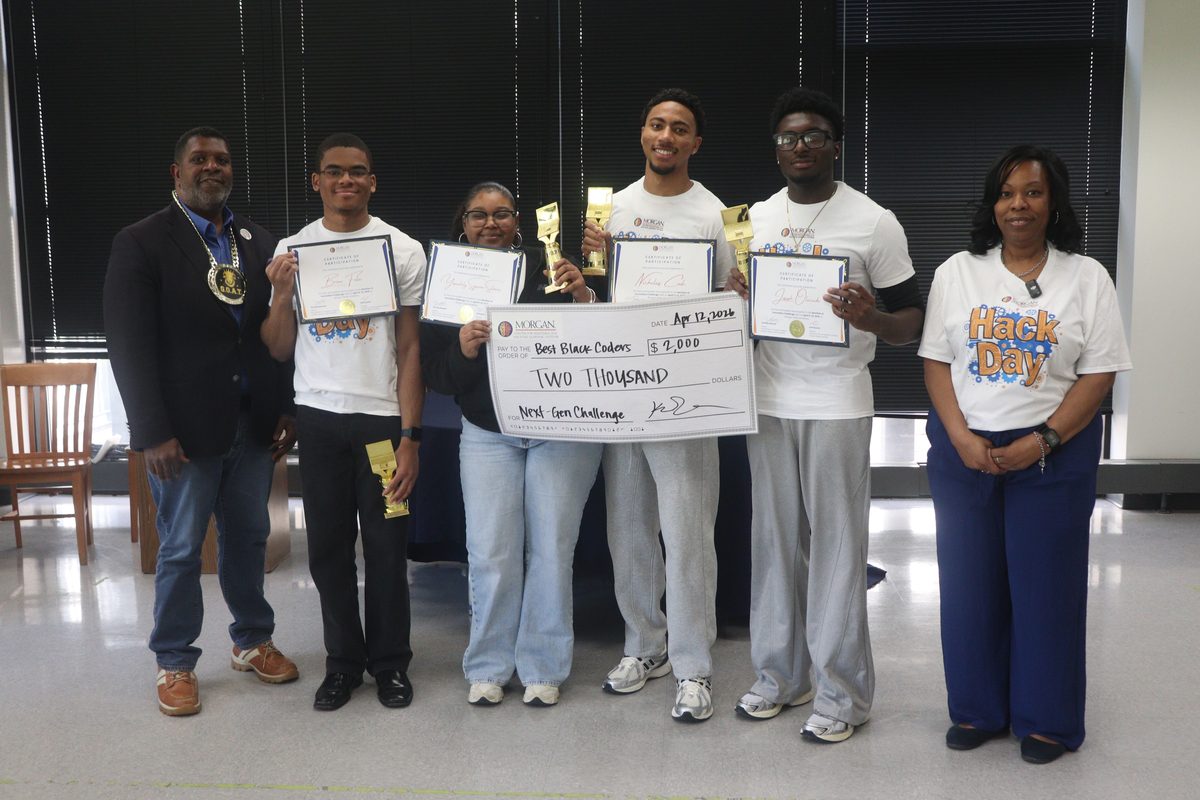
Team Black Coders holding certificates, trophies, and a $2,000 winner's check at the NextGen AI Innovation Challenge at Morgan State University

Team Black Coders — “Vision IQ”

Brian Felix · Nicholas Cook · Joseph Olarinde · Yosmehily Segura-Silverio

Four Electrical Engineering undergraduates built Vision IQ, a low-cost tool that reads classroom text aloud for visually impaired students. Built on accessible hardware so it can be replicated in under-resourced schools, the team envisions a future version worn in a glasses frame.

Team EE Techies holding certificates, trophies, and a $1,000 check at the NextGen AI Innovation Challenge at Morgan State University

Team EE Techies — “Planet Explorer”

Imelda · Mekhi · Malek Miller

These Baltimore freshmen built a Planet Explorer learning game in Swift, where players pilot a rocket through planets themed around robotics, math, and science, answering a question to advance each stage. Their first full app turned studying into a space adventure.

Joshua Mabonga holding a trophy, certificate, and check for his participa8 project at the NextGen AI Innovation Challenge at Morgan State University

participa8

Joshua Mabonga

A third-year Electrical Engineering student, built participa8 for students who hesitate to speak up in class, whether from anxiety or low confidence.

Built in real classrooms, not on a whiteboard

Results from our 2025–26 pilot across Baltimore schools and public libraries.

0

Students taught directly across schools, libraries & summer camp

0

Students reached through their trained teachers

0

AI Teacher Fellows trained across 12 schools

0

Classroom-ready AI lessons created by teachers

0

Sites (12 schools plus 2 public libraries)

0

Hours of professional development per Fellow

Figures from the K–12 AI Curriculum Development Project (September 2025 – June 2026).

Choose your journey

Every learner has a unique path. Pick your portal and dive into resources built just for you.

Student Portal

Follow real curriculum units from Intro to AI to Facial Recognition, earn badges, and experiment with free AI tools. No coding experience needed.

Enter Student Portal →

Teacher Hub

Take the AI readiness quiz, grab 5-minute classroom wins, and steal lessons built by our AI Teacher Fellows.

Enter Teacher Hub →

Leadership Center

Evidence-based frameworks, policy templates, and a 12-month roadmap to bring responsible AI education to your entire school or district.

Enter Leadership Center →
AI Question of the Day ~2 min

Should AI be allowed to grade student essays?

Yes
28%
No
41%
It depends
31%

Results shown are illustrative. A new question appears each visit.

What people are saying

Hear from students, teachers, and leaders navigating the AI revolution.

"I used to think AI was only for college students or engineers. The activities here showed me that I can train my own image classifier, it took about 20 minutes and I was completely hooked. This stuff is actually fun."

David

5th Grade Student, Baltimore, MD

"I pulled a unit on a Monday and taught it by Thursday. My students had the most engaged discussion I have seen all year, about AI and about real-world consequences."

Ms. Blizzard T

4th Grade Science Teacher, Baltimore, MD

"The lesson plans are genuinely teacher-ready."